The FTC and Michigan attorney general are warning of a surge in deceptive financial practices, including interest rate cuts and fraudulent demands for gift card payments.
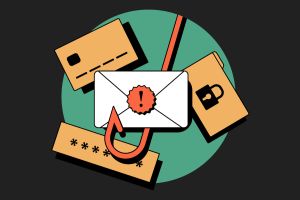 The FTC and Michigan attorney general are warning of a surge in deceptive financial practices, including interest rate cuts and fraudulent demands for gift card payments.
04/24/2026 11:45 A.M.
Two regulators have issued new warnings about scams impacting consumers: credit card interest rate schemes and fraudulent gift card payments.
According to the Federal Trade Commission, scammers are using unsolicited, automated calls to promise lower credit card interest rates. Fraudsters often claim they have special “shortcuts” or exclusive relationships with credit card issuers to save you money — for a fee.
Financial companies and consumers should take note of these scam indicators:
- Illegal Upfront Fees: Scammers often demand payment before providing any service. Under the Telemarketing Sales Rule, it is illegal for debt relief companies to charge a fee before they actually settle or reduce a consumer’s debt.
- Urgency Tactics: Callers often use “final courtesy call” scripts to pressure consumers into immediate action.
- Data Spoofing: To build trust, scammers may cite legitimate personal information, such as the last four digits of a Social Security number or exact card balances, to appear authentic
The FTC advises that consumers should contact their credit card issuers directly to negotiate rates and should never share sensitive information with unsolicited callers.
In a significant discussion on consumer protection and fraud risks, the FTC also recently testified before Congress during a hearing focused on the rising scams in the global economy.
ACA International’s persistent advocacy for technology-driven fraud mitigation has yielded tangible results, notably influencing the FTC’s recent alerts regarding social media influencers and fraudulent identity theft claims.
Michigan AG Reissues Gift Card Scam Warning During Money Smart Week
As part of Money Smart Week, Michigan Attorney General Dana Nessel reissued a critical alert regarding the persistent use of gift cards as a vehicle for financial fraud.
“Fraudsters can sound very convincing but remember that no legitimate business or government agency will demand payments through gift cards,” Nessel said in the alert. “If they do, it’s a scam. Never share personal information or send money in response to these tactics.”
The alert identifies some common forms of this fraud:
- Impersonation Fraud: Scammers pose as law enforcement (threatening arrest for unpaid fines), utility companies (threatening immediate shut-off), or tech support (requesting payment for “urgent” repairs).
- Family/Grandparent Scams: Increasingly sophisticated tactics where callers claim a relative is in legal trouble or needs bail money.
The alert notes that legitimate debt collectors will not insist on payments through a gift card.
The attorney general highlights that gift card payments are popular among criminals because they are difficult to trace and nearly impossible to reverse. Clients should be reminded that any request for payment via gift cards, cryptocurrency, or wire transfer from an unsolicited source is a definitive hallmark of a scam.
To avoid gift card scams, according to the attorney general:
- Never use gift cards to pay debts: Gift cards are intended for gifting — not for paying bills or fines.
- Be skeptical of urgent payment requests: Legitimate organizations will not pressure you to act immediately.
- Verify claims independently: Contact the company or individual directly using verified contact information.
- Be cautious with online and phone interactions: Don’t share gift card details unless you are sure of the recipient’s legitimacy.
ACA’s Take
April is Financial Literacy Month, making this a great time for ACA members to support consumer education on topics such as identity theft, fraud and scams. You can share ACA’s Know My Debt with consumers and clients as part of that process.
To add Know My Debt to your website, create a link on your consumer resources page with the suggested title, “Know My Debt: Explaining Consumer Rights and Navigating Debt Solutions.”
Building consumers’ financial literacy benefits everyone. It helps them understand how they got into debt, how to work with collectors to resolve their account and how to right the ship going forward. It shows clients that you care about their customers. Plus, it helps collectors when consumers trust their motives and the debt collection process in general.
Related Content from ACA International:
The $15.9 Billion Scam Economy: How ACA and the FTC are Fighting Back
Remember, subscribe to ACA Daily and Member Alerts under your My ACA Assistant profile when logged in to ACA’s website.