The fraudulent company impersonated Department of Education officials and charged illegal fees for non-existent loan forgiveness services.
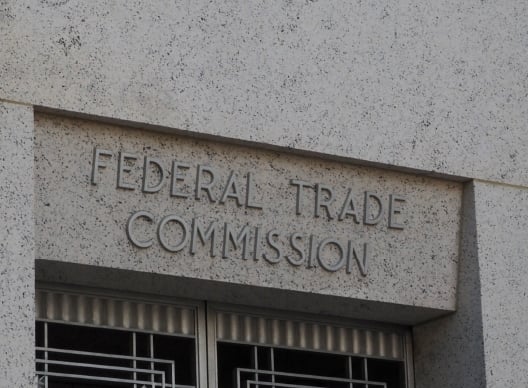 The fraudulent company impersonated Department of Education officials and charged illegal fees for non-existent loan forgiveness services.
05/16/2025 9:00 A.M.
2.5 minute read
The Federal Trade Commission is permanently banning a fraudulent student loan debt relief operation and its owners from the industry. The defendants, including Panda Benefit Services and several affiliated companies, must surrender all assets after allegedly defrauding students of over $16.7 million.
The operation targeted vulnerable consumers struggling with student loan debt, promising guaranteed loan forgiveness and reduced payments. According to the FTC, the scammers posed as representatives of the U.S. Department of Education, deceiving borrowers into paying substantial illegal fees for nonexistent debt relief services.
“Consumers looking to pay off their student loan debt should not have to worry about being scammed,” said Christopher Mufarrige, director of the FTC’s Bureau of Consumer Protection, in the press release.
The FTC alleged Panda Benefit Services (also doing business as Prosperity Benefit Services), its affiliates, and its operators:
- “Targeted consumers burdened with student loan debt and tricked them into paying hundreds to thousands of dollars in illegal fees toward fake student loan forgiveness;
- Falsely claimed that consumers who paid for defendants’ program were guaranteed loan forgiveness and that the program would reduce their loan payments;
- Pretended to be affiliated with the U.S. Department of Education, telling consumers they would take over servicing of their loans while actually pocketing consumers’ money; and
- Swindled more than $16.7 million in unlawful advance fees from students seeking debt relief.”
The court orders explicitly prohibit the defendants from:
- Misrepresenting any products or services.
- Using false statements to collect financial information.
- Impersonating government entities or other individuals.
ACA’s Take
When there are admissible facts evidencing egregious conduct, ACA International fully supports law enforcement and regulators’ efforts to target bad actors, stop scams—including those that pretend to be legitimate debt collectors but aren’t—and safeguard consumer rights by removing known violators from the financial marketplace.
ACA will continue to work with the FTC and other regulators to help them understand the complex issues that legitimate debt collectors face. The association provides comprehensive compliance education and support for most debt collectors who operate lawfully, prioritize consumer protection, and serve an essential role in our credit-based economy.
Scams targeting consumers from bad actors posing as legitimate companies harm the accounts receivable management (ARM) industry, consumers and creditor clients.
More importantly, the scam of pretending to be a debt collector creates a misunderstanding among consumers and even elected officials. This misunderstanding obscures how the ARM industry helps consumers manage their debts and access affordable credit, restoring the credit-based economy.
Scams are not unique to the ARM industry, making enforcement from the FTC and other regulators even more important to help correct misconceptions about businesses caused by bad actors.
For example, bad actors have targeted businesses in multiple industries in the last couple of years through an impersonation scam using company logos to sell fake badges and registration to trade conferences, ACA previously reported.
ACA is part of a coalition of more than 200 trade associations and professional organizations supporting the FTC’s rule to stop government and business impersonation scams.
Impersonation scams are one of the top frauds reported to the FTC, it reports. Consumer losses from these scams totaled $2.95 billion in 2024.
Remember, subscribe to ACA Daily and Member Alerts under your My ACA Assistant profile when logged in to acainternational.org.