Plan ahead, protect your staff, and understand collection limits during emergencies.
 Plan ahead, protect your staff, and understand collection limits during emergencies.
09/04/2025 1:00 P.M.
2.5 minute read
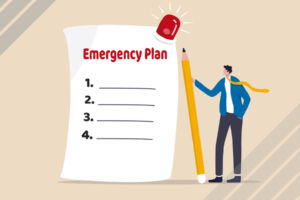
From cyberattacks to severe weather, emergencies come in many forms. Is your business prepared to handle them? Do your communications, IT, and operations staff know the plan? When was the last time you tested it?
These are the questions every business should be asking — and answering — and September’s National Preparedness Month is the perfect time to do it. Whether you run a small agency or a company with multiple locations, now is the time to plan ahead so your business can minimize disruption when an emergency strikes.
According to the Federal Trade Commission, scammers exploit crises and target people and businesses facing hardship during emergencies. Their goal is to steal money or personal and business information — and times of duress provide the perfect opportunity. To help prevent these scams, the FTC has shared some tips to consider:
- Keep your staff informed. Share emergency preparedness information with your team to help keep them safe during a crisis. The FTC’s Dealing with Weather Emergencies webpage provides articles, shareable social media images, and other resources to support recovery after a disaster.
- Warn the business community about the risks of disaster-related fraud. No matter your social media following or the size of your company, you are well-positioned to voice concerns and share knowledge to help raise awareness about disaster-related fraud.
And lastly, make sure to know when it’s appropriate to reach out to consumers.
“Natural disasters and other emergencies severely disrupt consumers’ lives … and often prevent them from meeting financial obligations. Understand both the hard and soft compliance considerations associated with collecting consumer debt in the wake of a declared disaster or public emergency,” ACA International’s compliance team said in the May/June 2025 issue of Collector magazine.
Additionally, the compliance team noted that state laws and regulations vary, making it important to know each state’s protocols to avoid overstepping legal boundaries. These state-level protections are built on federal laws like the Fair Debt Collection Practices Act, which sets general rules against harassment and abuse. Specific requirements vary by state and often shift with each disaster declaration. For example, North Carolina is one of two states that has a statute that governs debt collection during emergencies.
To ensure you know what restrictions are in place, check your state’s regulatory agency or attorney general’s office website for the latest updates.
This September, use National Preparedness Month as your reminder to review your plan, educate your staff, and protect your business from both emergencies and fraud.
Remember, subscribe to ACA Daily and Member Alerts under your My ACA Assistant profile when logged in to acainternational.org.